









|
Quantity
|
Price
|
||
|
|
|||
|
|
|||
From business trips to luxurious vacations, the suitcase stands as a trustworthy companion for many travelers. Its unique characteristics, from size to material and design, make it an essential item for transporting personal belongings securely and efficiently.
What is a Suitcase?
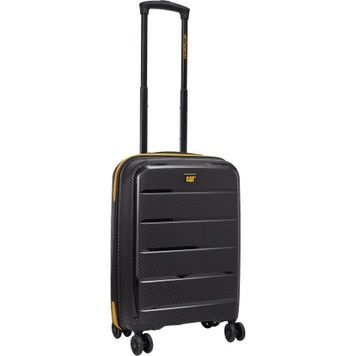
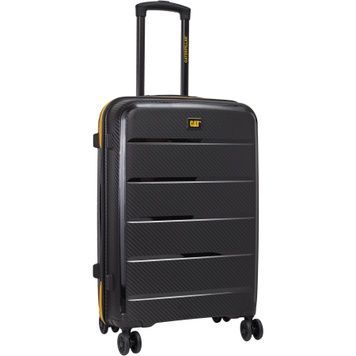
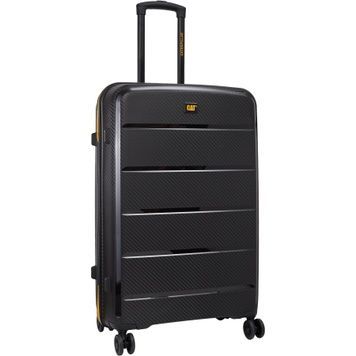
A suitcase is a travel bag, typically rectangular in shape, primarily used for carrying clothes, toiletries, and other necessities while traveling. It aims to make the journey smoother by organizing, protecting, and easing the transportation of these items.
The Anatomy of a Suitcase
Every part of a suitcase serves a specific purpose, designed to enhance your traveling experience.
Size: Tailored to Your Travel Needs
Suitcases come in a range of sizes to suit different travel needs. A full-size suitcase generally measures around 75 cm in height, 45 cm in width, and 25 cm in depth. Smaller sizes are available for shorter trips or when lighter travel is preferred.
Material: Designed for Protection and Flexibility
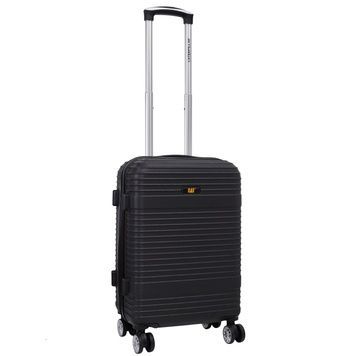
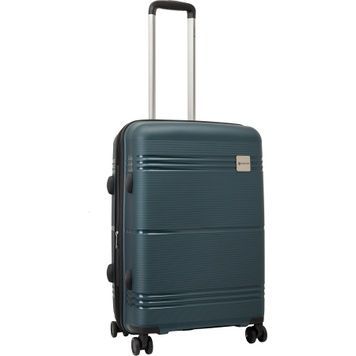
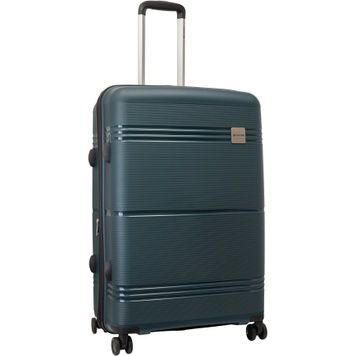
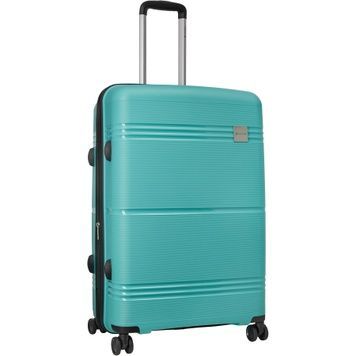
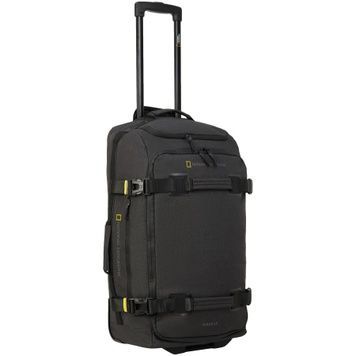
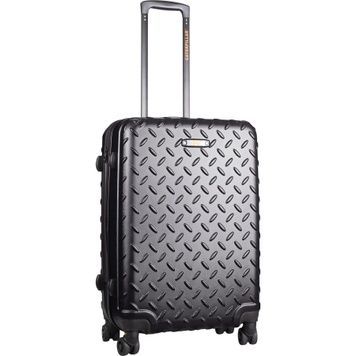
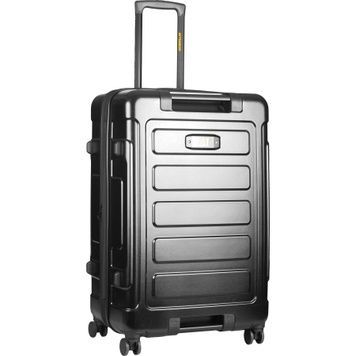
The materials used in a suitcase's exterior could be hard, like polycarbonate or ABS plastic, for durability and protection. On the other hand, softer materials such as nylon, polyester, or leather offer flexibility and lighter weight. The interior usually features a fabric lining, sometimes padded, for extra protection.
Carrying Options: Ensuring Easy Mobility
Suitcases are typically equipped with a retractable handle and wheels, making them easy to transport, especially when heavy. Some models also come with side or top handles for lifting into overhead compartments or vehicles.
Additional Features: Upgrading Your Travel Experience
Extra features can significantly enhance a suitcase's usability. These can include lockable zippers for added security, expandable compartments for extra capacity, interior pockets and straps for better organization, and even GPS tracking or smart features in more premium models.
When to Use a Suitcase
A suitcase is typically used for longer journeys or when a significant number of personal belongings are required. This could include long vacations, overseas work trips, or any scenario where items need to be securely transported between different locations.
The Pros of Using a Suitcase
- Organized: Suitcases, with their multiple compartments and pockets, make organizing your belongings a breeze.
- Secure: Hardshell suitcases offer robust protection for your belongings. Plus, many come with locks for extra security.
- Easy to Transport: The wheels and retractable handle of a suitcase make transporting heavy luggage much more manageable.
The Cons of Using a Suitcase
- Size: Suitcases can be bulky, making them unsuitable for shorter trips or smaller travel requirements.
- Handling: Depending on the terrain, dragging a suitcase can be challenging.
- Damage Potential: Especially for hardshell suitcases, the risk of scratches or dents during handling is real and sometimes unavoidable.
Comparing Suitcases with Other Types of Bags
When planning a trip, it's crucial to choose the right luggage for your needs. Let's compare suitcases to other popular types of bags.
Suitcases vs. Backpacks
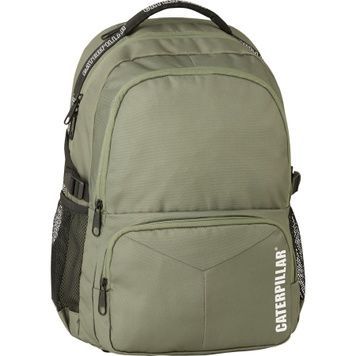
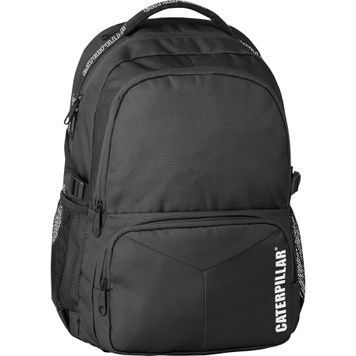
While backpacks offer easy handling and are suitable for rough terrains, they lack the organizational convenience and large capacity provided by suitcases.
Suitcases vs. Duffel Bags
Duffel bags are known for their flexibility and ease of storage. However, compared to suitcases, they lack the structured protection for belongings and can be difficult to manage when fully packed due to their single strap design.
Suitcases vs. Carry-On Bags
Carry-on bags are great for shorter trips and fast-paced travel due to their compact size. Yet, they cannot match the carrying capacity and structured organization offered by suitcases.
How to Choose the Right Suitcase
Choosing the right suitcase involves considering several factors, including your destination, duration of stay, the type of items you're packing, and your personal style preferences.
Conclusion: Suitcase as an Essential Travel Item
A suitcase stands out as an essential travel item, especially beneficial for longer trips or when transporting larger amounts of belongings. Its ability to keep your items organized, coupled with easy transport and a secure design, makes it a favorite choice among travelers. However, it's worth noting that its size and potential for damage can pose challenges, making it less suitable for shorter trips or rough handling conditions.
Suitcases, with their versatility and practicality, are undeniably an integral part of the traveling journey. Whether you're a frequent flyer, a business traveler, or an individual embarking on an extended vacation, a suitcase can make your travel experience significantly more comfortable and efficient.
FAQs About Suitcases
1. Is a suitcase suitable for all types of travel? While suitcases are versatile, they may not be suitable for all types of travel. For example, for shorter trips, a backpack or a duffel bag might be more practical.
2. Are all suitcases hardshell? No, suitcases come in both hardshell and softshell varieties. Hardshell suitcases offer more protection, while softshell suitcases offer more flexibility.
3. Can I carry a suitcase onto a plane? Most airlines allow a certain size of suitcase as carry-on luggage, but this varies. It's best to check the airline's carry-on luggage restrictions.
4. Are all suitcases lockable? Many suitcases come with the option to lock, but not all do. It's best to check this feature before purchasing.
5. Does the material of the suitcase affect its durability? Yes, the durability of a suitcase greatly depends on the material. Hard materials like polycarbonate or ABS plastic are typically more durable than softer materials.